
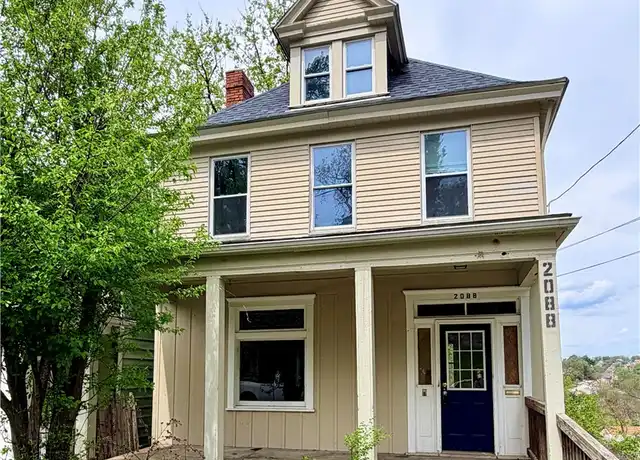
Facing Foreclosure in Pittsburgh? A Calm, Practical Options Checklist
First: do not ignore the notices
A missed payment can create fear, but avoiding letters and calls usually reduces your options. If you think a payment may be late or you are already behind, contact your mortgage servicer as soon as possible and keep a dated record of every call, document, and deadline.
This article is general information, not legal or financial advice. Your best option depends on your loan, income, equity, ownership status, and the stage of the foreclosure process.
Your first 48-hour checklist
1.Open every letter from your servicer. Look for an Act 91 Notice, payment deadline, loss-mitigation instructions, or a sale date.
2.Call the servicer’s official number. Ask for the loss-mitigation department and request a written explanation of available options.
3.Contact a housing counselor. The Pennsylvania Housing Finance Agency says Pennsylvania residents may be eligible for free housing counseling for mortgage delinquency, foreclosure prevention, and debt management.
4.Collect your financial documents. Gather pay stubs, bank statements, tax returns, expenses, mortgage statements, and hardship documentation.
5.Do not sign a deed or “rescue” agreement under pressure. Have an attorney or counselor review anything that changes ownership or promises to save your home.
Pennsylvania resources to check before deciding to sell
The Pennsylvania Housing Finance Agency’s foreclosure-prevention guidance advises homeowners to contact their servicer and PHFA early. It explains that the Homeowners’ Emergency Mortgage Assistance Program, known as HEMAP, may help eligible homeowners facing foreclosure.
PHFA describes key HEMAP considerations, including owner occupancy, delinquency caused by circumstances beyond the homeowner’s control, and the ability to resume full mortgage payments within the program’s stated timeframe. The process and eligibility requirements are specific, so review the official guidance and speak with a housing counselor promptly.
If you receive an Act 91 Notice, PHFA states that timely action matters, including contacting a counseling agency and applying within the deadline described in the notice. Read the notice carefully and confirm current requirements directly with PHFA or an approved counselor.
The two broad paths: retain or relinquish
PHFA’s guidance describes foreclosure alternatives in two broad categories: retaining the home or relinquishing ownership. The available choice depends on your loan type and situation.
Retain the home
Potential retention options may include:
•Repayment plan
•Forbearance
•Payment deferral
•Loan modification or other loss-mitigation options offered by the servicer
•HEMAP, if eligible
These options can have different effects on monthly payments, total interest, credit, and future obligations. Ask the servicer to explain the terms in writing and confirm whether an application pauses or changes foreclosure activity.
Relinquish ownership
If keeping the home is not financially realistic, possible disposition options may include:
•A conventional sale
•A pre-foreclosure sale or short sale, if the lender approves it
•A deed in lieu of foreclosure, if offered and appropriate
•A direct sale to a property buyer, subject to title, lender, and contract requirements
Selling before a foreclosure sale may provide more control over timing than waiting for the process to finish, but it is not automatically the best choice. You need to know the payoff amount, liens, market value, selling costs, lender requirements, and whether the expected proceeds can satisfy the debt.
When a direct sale may be worth evaluating
A direct sale may be relevant when:
•The home needs repairs you cannot afford
•You need a faster, more predictable closing timeline
•You have limited ability to prepare the home for showings
•The property is vacant or inherited
•You have enough equity to pay the mortgage and closing obligations
•A traditional listing is unlikely to close before an important deadline
Property Buyers Pittsburgh says it evaluates homes as-is and provides a four-step process: contact, property review and market analysis, offer and terms, then closing after acceptance. A cash offer is not a guarantee that the lender will approve a short payoff, and a buyer’s timeline cannot replace legal or lender advice. If you owe more than the property is worth, speak with your servicer and a qualified professional before signing anything.
You can start by reviewing Property Buyers Pittsburgh’s sell-your-property page or contact the company directly to ask whether your situation is one it can evaluate.
How to compare your options without panic
Use this comparison worksheet:
Question | Retain | Traditional sale | Direct/as-is sale | Lender-approved alternative |
Can the home remain affordable after the plan? | ||||
How quickly must action occur? | ||||
Will repairs be required? | ||||
What happens to the mortgage balance? | ||||
Who must approve the transaction? | ||||
What are the credit and tax implications? | ||||
Do I have written terms and deadlines? |
Do not fill this out from assumptions. Ask the servicer, counselor, attorney, tax adviser, listing professional, or buyer for the information that belongs in each column.
Red flags to avoid
Be cautious if someone:
•Tells you to stop talking to your lender
•Guarantees it can “save” your home without reviewing your finances
•Demands an upfront fee for foreclosure relief
•Asks you to sign over the deed while promising you can remain as a renter
•Pressures you to sign immediately
•Refuses to provide a written offer or contract
•Tells you to send mortgage payments to someone other than the servicer without verification
The safest process is transparent: verify identities, request written terms, keep copies, and obtain independent advice for legal or lender issues.
A realistic action plan for the next seven days
Day 1: Open and organize every notice; call the servicer.
Day 2: Contact PHFA or a housing counselor and ask about available programs.
Day 3: Gather income, debt, mortgage, tax, and property documents.
Day 4: Determine the property’s condition and approximate value; do not start expensive repairs without a plan.
Day 5: Ask for written retention and disposition options.
Day 6: If selling may be appropriate, compare a traditional listing and an as-is/direct offer based on net proceeds and timing.
Day 7: Review any contract or lender agreement with a qualified professional before signing.
Final takeaway
Foreclosure is a process, not a single moment. The earlier you respond, the more clearly you can compare ways to retain the home or transition out of it. Start with your servicer and official Pennsylvania resources. If a sale becomes part of your plan, evaluate the property’s net proceeds, deadlines, lender requirements, and contract terms—not just the promise of fast cash.
If you want to discuss a Pittsburgh property sale while you explore your options, contact Property Buyers Pittsburgh or call 412-342-8937. For foreclosure-prevention guidance, begin with your servicer and PHFA’s official resource.