
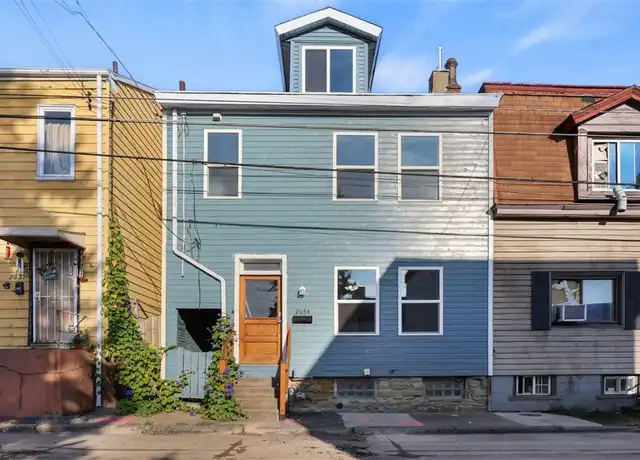
What Pittsburgh Sellers Should Know Before Accepting an Off-Market Offer
An off-market offer can feel appealing because it may give you a clear path to selling without repairs, public marketing, or a long series of showings. However, sellers should evaluate the entire agreement carefully before moving forward.
The most important question is not simply, “How much is the offer?” It is, “What will this transaction require, and how much will I actually receive when it closes?”
Use this guide to organize the conversation and identify the terms that matter most.
Start with your selling priorities
Before comparing offers, define what you want from the sale. Your priorities may include:
•Selling the property in its current condition
•Closing quickly
•Choosing a specific closing date
•Avoiding repairs and cleaning
•Keeping the sale private
•Reducing the risk of the transaction falling apart
•Maximizing your net proceeds
•Moving out on your own schedule
It is normal for sellers to have more than one priority. Writing them down can help you identify an offer that fits your actual needs instead of focusing only on the top-line price.
Review the offer price in context
The offer price is important, but it does not tell the whole story. A traditional sale may produce a higher gross price while also requiring repairs, preparation, carrying costs, commissions, concessions, and months of additional ownership.
An off-market offer may be lower than a potential retail listing price because the buyer may be taking on repairs, resale risk, financing costs, insurance, taxes, and the time needed to improve or resell the property.
Ask for a realistic comparison:
•What would it cost to prepare the property for a traditional listing?
•How much time could the process take?
•What repairs might an inspection reveal?
•Would you need to continue paying taxes, utilities, insurance, and maintenance?
•What concessions could a traditional buyer request?
•What is your estimated net amount under each option?
A net comparison is usually more useful than comparing two gross prices.
Confirm whether the offer is truly for the property as-is
The phrase “as-is” can mean different things in different agreements. Ask exactly what condition the buyer expects and whether the buyer can later request repairs, credits, or a price reduction.
Review any inspection, access, or due-diligence language. Some buyers want the right to inspect a property before closing. That is not necessarily unusual, but you should understand whether the buyer can cancel, renegotiate, or require specific work.
If the buyer has agreed to purchase as-is, make sure the written contract reflects the verbal understanding.
Understand contingencies
A contingency is a condition that must be satisfied before the transaction is required to close. Common examples include:
•Inspection or due diligence
•Financing approval
•Appraisal
•Title review
•Sale of another property
•Approval by a partner, lender, or investor
Contingencies can affect certainty and timing. Ask which contingencies apply, how long they last, and what happens if one is not satisfied.
A buyer who can close without financing may provide a different level of certainty than a buyer who still needs a loan or another sale to happen first. The contract should make the buyer’s obligations and deadlines clear.
Pay attention to the closing timeline
The proposed closing date should work for your situation. If you need to relocate, remove belongings, obtain probate documentation, or coordinate with tenants, communicate that early.
Also ask what happens if closing is delayed. Will the buyer extend the agreement? Can either party cancel? Are there deadlines for title work, inspections, or document delivery?
A clear timeline helps prevent last-minute surprises.
Know who is buying the property
Ask whether you are dealing with the final buyer or with someone who may assign the contract to another party. Contract assignment is a common practice in some types of real estate transactions, but sellers should know whether it is permitted and how it could affect communication and timing.
You can also ask about the buyer’s experience, intended use of the property, and ability to complete the transaction. A reputable buyer should be comfortable explaining the process without pressuring you to sign immediately.
Review costs and fees
Before signing, identify all costs that could affect your proceeds. Depending on the transaction, these may include title charges, transfer taxes, recording fees, prorations, attorney fees, commissions, service fees, or other expenses.
Do not rely only on verbal statements. Request a written estimate of expected costs and ask who is responsible for each item. The closing company or title professional can usually provide a settlement statement showing the final calculation.
Protect yourself from pressure
A legitimate opportunity should give you enough time to review the agreement and ask questions. Be cautious if someone:
•Demands an immediate signature without explanation
•Avoids providing written terms
•Changes the price or conditions unexpectedly
•Requests unusual payments before closing
•Refuses to identify the buyer or closing professional
•Discourages independent legal or real estate advice
•Makes promises that are not included in the contract
You do not have to accept the first offer. Comparing options and asking questions is part of being an informed seller.
Use qualified professionals when appropriate
An off-market sale can be straightforward, but the contract still creates legal and financial obligations. Depending on your situation, you may want to consult a real estate attorney, title company, tax professional, or licensed real estate adviser.
Professional guidance can be particularly important when the property is inherited, jointly owned, occupied by tenants, subject to liens, involved in a divorce, or connected to an estate or trust.
A practical checklist for Pittsburgh sellers
Before accepting an off-market offer, confirm that you understand:
•The exact purchase price
•Your estimated net proceeds
•Whether the property is being sold as-is
•The inspection and due-diligence terms
•Any financing or appraisal contingency
•The closing date and extension rules
•The identity of the buyer and any assignee
•Responsibility for closing costs and taxes
•What personal property or belongings remain
•What happens if either party fails to perform
•Whether you have reviewed the agreement with a professional
Final thoughts
An off-market property offer can be a convenient solution for Pittsburgh sellers, particularly when a property needs work or the owner wants more control over the process. The best results come from slowing down long enough to understand the offer, comparing net outcomes, and putting every important promise in writing.
Property Buyers Pittsburgh can help you start a conversation about your property, condition, and preferred timeline. You remain in control of whether an offer and its terms are right for you.