
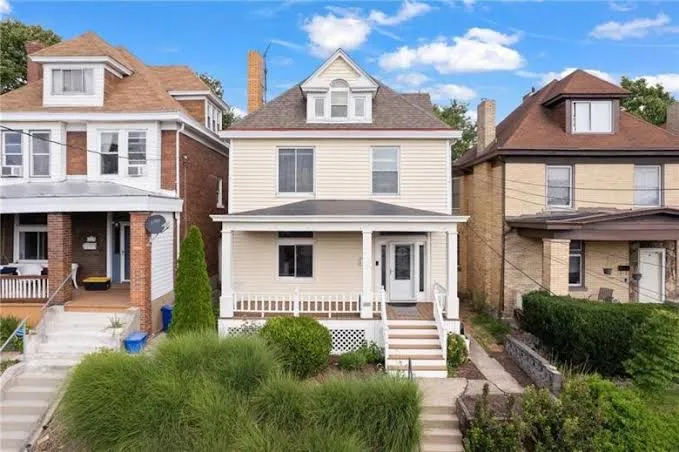
How to Sell an Inherited House Off-Market in Pittsburgh
Inheriting a house can create an emotional and practical challenge. The property may hold family memories, but it may also come with taxes, utilities, maintenance, insurance, repairs, and decisions among several heirs. If the home is vacant or needs significant work, an off-market sale may give the family a more private way to evaluate its options.
Before selling an inherited house in Pittsburgh, confirm who owns the property and who has authority to sell it. Once the legal details are clear, the family can compare a traditional listing with a direct sale to a local buyer.
First, determine who can sell the inherited property
The first step is not cleaning out the house or requesting an offer. It is confirming the ownership and estate process. A will, trust, beneficiary deed, probate filing, or other estate document may affect the path to closing. The answer can also change if the decedent had a mortgage, unpaid taxes, liens, or more than one heir.
Contact the estate's attorney, executor, personal representative, or another qualified professional to determine what documents are required. If multiple heirs own the property, every required owner may need to approve and sign the transaction. A buyer should not encourage one family member to bypass another owner.
This article is general information, not legal or tax advice. Estate rules vary, so sellers should obtain advice based on their specific circumstances.
Why heirs consider an off-market sale
A public listing can be a good fit when a home is market-ready and the family wants maximum exposure. An off-market sale may be attractive when the house needs a major cleanout, has deferred maintenance, or is located far from the heirs' current homes.
A direct sale can reduce the need to coordinate repeated showings. It may also allow the family to discuss a flexible closing date or leave certain items in place, subject to the written agreement. For an estate, predictability can matter as much as the purchase price because each additional month may create more carrying costs and more work for the person managing the property.
The tradeoff is that a private sale may reach fewer buyers. Heirs should compare a direct offer with an estimated net amount from a traditional sale instead of comparing only the offer prices.
A practical plan for an inherited house in Pittsburgh
1. Secure the property
Change or rekey locks when appropriate. Confirm that the utilities, insurance, smoke detectors, and exterior maintenance are being handled. Arrange for mail, lawn care, snow removal, and basic inspections if the property will be vacant. These steps can help prevent avoidable damage while the family decides what to do.
2. Collect the important documents
Gather the deed, mortgage information, property tax records, insurance details, utility bills, repair records, and estate documents. Make a note of any notices from a municipality, homeowners association, lender, or code enforcement department.
3. Decide what happens to personal belongings
Family members should agree on a process for photographs, furniture, vehicles, financial records, and other personal property. If the buyer is purchasing the home as-is, put in writing which items remain and which items will be removed before closing. Do not assume that a verbal agreement about personal property will be remembered later.
4. Identify the property's condition
Look for visible roof, foundation, water, electrical, plumbing, heating, and safety concerns. You do not need to diagnose every issue before requesting an offer. Honest information is more useful than an expensive repair project that the family cannot complete.
5. Request more than one option
Ask a local property buyer for a written offer and ask a real estate professional for an estimated market value and expected selling costs. The goal is to compare likely net proceeds, timeline, effort, and risk.
How to compare a direct offer with a traditional listing
A direct offer may have a lower price than the highest possible listing price because the buyer is accepting the property's condition and taking on renovation, holding, and resale risk. That does not make the offer unfair, but the family should understand the calculation.
Estimate the likely net proceeds from each option. For a listing, consider commissions, repairs, staging, cleaning, utilities, insurance, taxes, months of carrying costs, and buyer-requested concessions. For a direct sale, review the purchase price, closing-cost allocation, inspection rights, title requirements, and the possibility of a delayed or failed closing.
A simple comparison can help:
Question | Direct off-market sale | Traditional listing |
Property preparation | Often limited, depending on the buyer | May require cleaning, repairs, and staging |
Buyer exposure | Narrower, private process | Broader public marketing |
Timeline | May be negotiated directly | Depends on marketing, offers, financing, and contingencies |
Showing burden | Usually fewer showings | May involve multiple showings and open houses |
Price discovery | Based on buyer evaluation and negotiation | Based on broader market response |
Best fit | Privacy, condition, or timing are priorities | Maximum exposure and market competition are priorities |
The figures and terms in an actual transaction matter more than a general comparison. Ask questions until each cost and condition is clear.
Questions to ask an off-market buyer
Before accepting an offer, ask how the buyer will fund the purchase, whether the buyer plans to close personally or assign the contract, how the property was valued, and whether the buyer expects additional inspections. Confirm the proposed closing date and ask which party selects the title company or settlement provider.
Review any provisions that allow the buyer to cancel, renegotiate, or extend the closing. Ask what happens to earnest money if the buyer does not perform. A written answer is more useful than a casual assurance.
Common mistakes heirs should avoid
The most common problem is treating the inherited house as if one person owns it when several people have an interest. Resolve ownership and signing authority before negotiating final terms.
Another mistake is spending heavily on renovations without first comparing the likely return. A local buyer may be willing to purchase the property in its current condition. Request an evaluation before committing estate funds to improvements.
Heirs should also avoid leaving a vacant property unmanaged. Small problems can become expensive when a leak, frozen pipe, storm, or security issue goes unnoticed. Assign one person to coordinate access, records, and communication with professionals.
Finally, do not let urgency replace due diligence. A quick closing is valuable only when the buyer, contract, title process, and funds are legitimate.
Sell an inherited Pittsburgh property with a clear plan
An inherited house does not have to become a long-term burden. Start by confirming the estate requirements, securing the property, and identifying the decision-makers. Then compare a private offer with the realistic net result of a traditional sale.
Property Buyers Pittsburgh can speak with heirs, executors, and families who want to explore an off-market sale. The conversation can begin with the property's location, condition, ownership situation, and preferred timeline.
Contact Property Buyers Pittsburgh to discuss your inherited house and review your options without committing to a listing.